Storage Devices
Storage devices are essential components of computer systems responsible for retaining digital data. They enable both temporary and permanent data storage, allowing computers to boot, run programs, and save user information.
Types of Storage Devices
There are various types of storage devices used in modern computing, each with distinct technology and use cases.
- Hard Disk Drives (HDDs): Traditional magnetic storage devices that use spinning disks to read/write data. HDDs offer large capacities at affordable prices.
- Solid State Drives (SSDs): Faster and more durable than HDDs, SSDs store data on flash memory chips, eliminating moving parts.
- Optical Drives: Devices like CD, DVD, or Blu-ray drives use lasers to read and sometimes write data on optical discs.
- Flash Drives: Portable USB devices that use flash memory for easy data transfer and storage.
- Memory Cards: Small flash storage media commonly used in cameras, smartphones, and other portable devices.
How Storage Devices Work
Storage devices store digital data as binary information (0s and 1s). HDDs use magnetic fields on disks, while SSDs use electrical charges stored in non-volatile memory cells. Optical drives rely on lasers to interpret pattern reflections on discs.
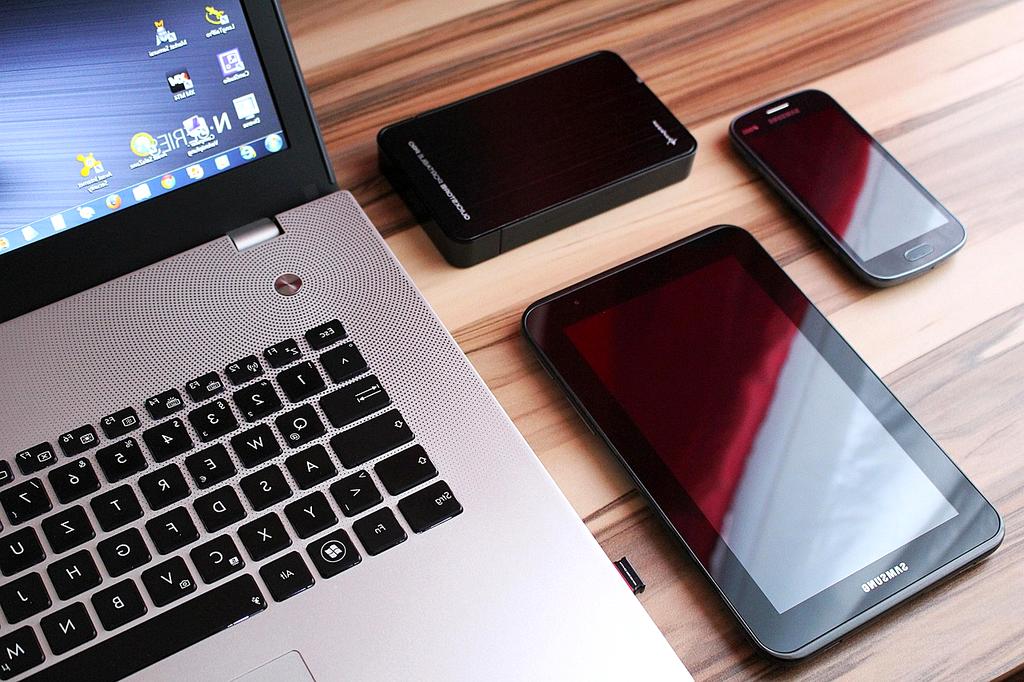

Choosing the Right Storage Device
When selecting a storage device, consider factors such as speed, capacity, durability, and cost. SSDs offer superior performance and reliability but tend to be more expensive, while HDDs provide large storage volumes at lower prices.
Storage Technologies on the Horizon
Emerging technologies like NVMe, 3D NAND, and persistent memory continue to enhance storage speed and efficiency, driving innovation in data storage for future computing needs.