Understanding Computer Processors
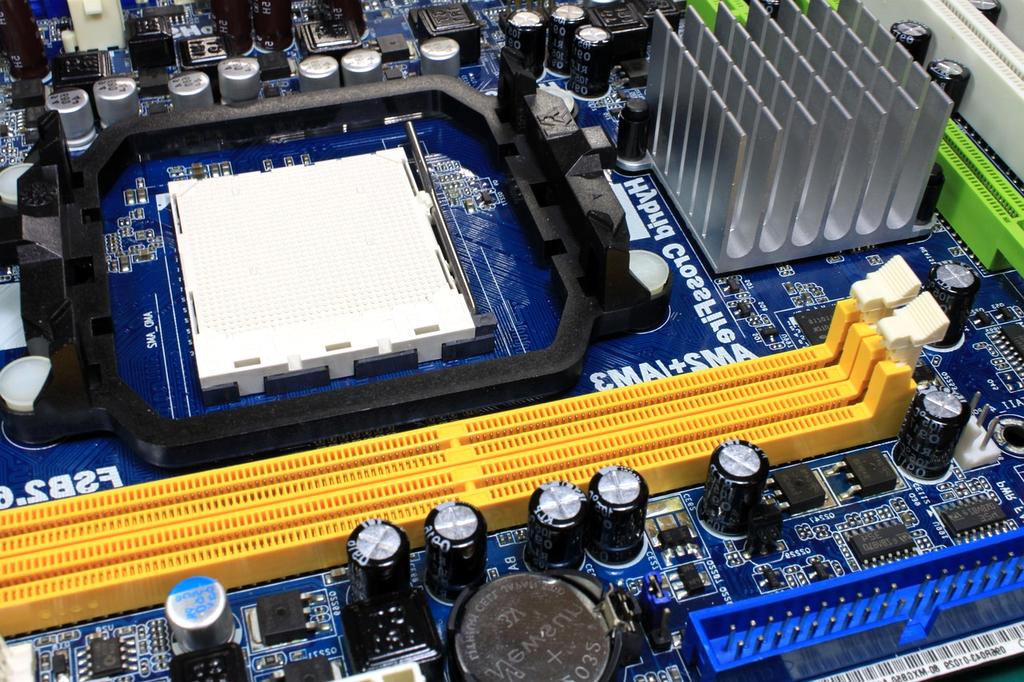
Processors, also known as Central Processing Units (CPUs), are the brain of any computer system. They execute instructions from programs by performing basic arithmetic, logic, control, and input/output operations specified by the instructions.
The performance of a processor is influenced by core count, clock speed, cache size, and architecture. Modern CPUs often include multiple cores to handle several processes simultaneously, improving multitasking and overall speed.
Key CPU Components
- Arithmetic Logic Unit (ALU): Performs arithmetic and logic operations.
- Control Unit (CU): Directs the operation of the processor.
- Cache Memory: Small, fast memory located inside the CPU to speed up data access.
- Registers: Small storage locations for quick data manipulation.
Types of Processors
Processors vary by usage and architecture:
- Desktop CPUs: Optimized for higher performance and multitasking.
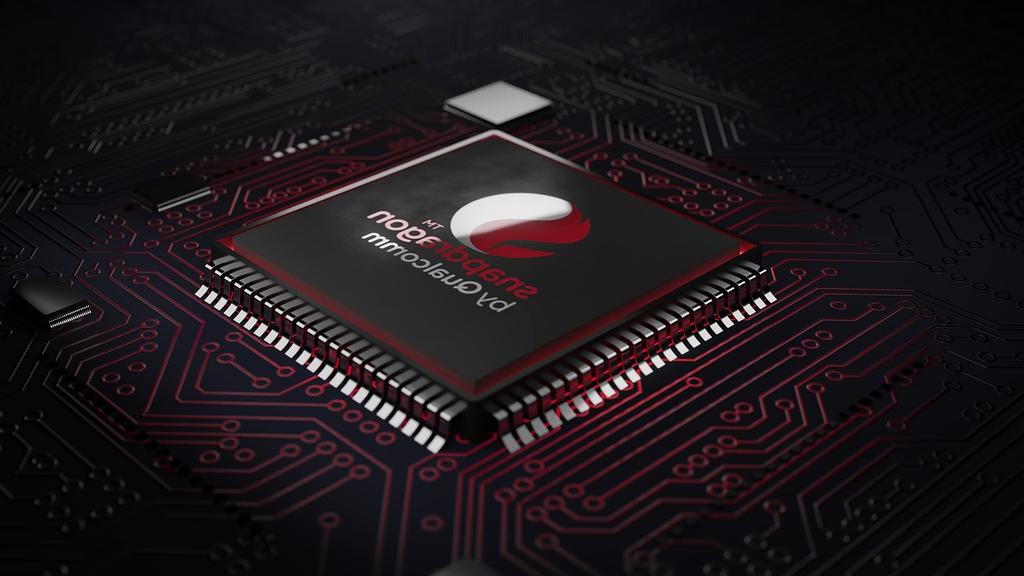
- Mobile CPUs: Designed for laptops and smartphones, balancing power and efficiency.
- Server CPUs: Built for robust multi-core processing and large workloads.
- Embedded CPUs: Found in appliances, vehicles, and IoT devices for dedicated tasks.
Popular Processor Brands
The leading manufacturers in the CPU market include:
- Intel: Known for Core, Xeon, and Pentium series.
- AMD: Known for Ryzen, EPYC, and Athlon processors.
- ARM: Widely used in mobile and embedded devices.